
Quick Take
Chronic runny noses can be more than just a seasonal nuisance, they may signal underlying issues that differ between children and adults. In kids, lingering nasal discharge is often due to prolonged viral infections, allergies, enlarged adenoids, or environmental irritants. In adults, causes may include chronic sinusitis, allergies, nasal polyps, or irritant exposure. Another key but often missed factor? Histamine intolerance and food sensitivities. Certain foods like aged cheeses, fermented products, wine, and processed meats can raise histamine levels, which can contribute to excess mucus production and chronic congestion.
While the occasional sniffle is normal, persistent runny noses can interfere with sleep, learning, concentration, and overall quality of life. In children, it may show up as restlessness, mouth breathing, snoring, or frequent waking and it can be the major cause of bed wetting! In adults, chronic nasal drip can lead to disrupted sleep, difficulty staying asleep, or waking with a dry mouth or sore throat. Addressing nasal health is essential for overall wellness and sleep quality.
Understanding the root cause helps guide treatment. Allergies often produce clear, watery mucus, while infections might produce thicker or colored mucus. Structural issues, chronic inflammation, or histamine sensitivity may require more targeted therapies.
Supplement Toolkit
| Product Name | Dosing | Duration |
|---|---|---|
| Metagenics Sinuplex | Adults: 2 capsules daily with meals. Children: consult practitioner. | Daily |
| Echinacea Goldenseal Propolis Throat Spray (Gaia Herbs/Pro) | Follow instructions on bottle | As Needed |
| Seeking Health (Zinc Lozenge and Optimal Vitamin C capsules) | Adults: Zinc 15–30 mg daily; Vitamin C 1,000 mg daily (capsule). Children: Zinc 5–10 mg and Vitamin C 250–500 mg (gummy or chewable). | Daily |
Microbiome Labs – MegaSporeBiotic | Adults: 1 capsule daily with food. Children: Use under practitioner guidance; typically start with half capsule mixed in food or drink. | Daily |
Product Links

Preferred supplement store with 10% discount
Registration Code: SN5708
Notes on products:
Naväge Nasal Irrigation System
Excellent for deep nasal flushing. Note: Individuals with a deviated septum should consult a provider before use to avoid discomfort or improper drainage.
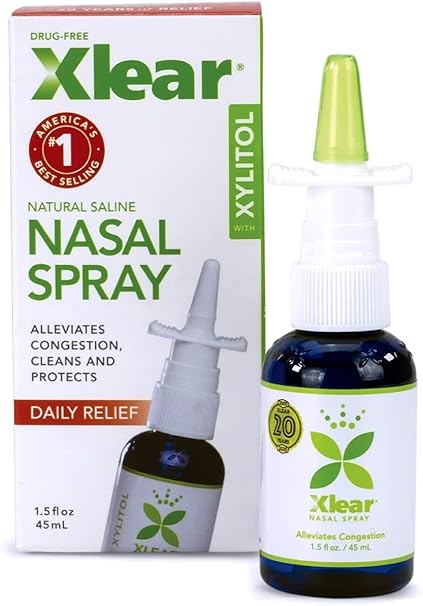
Xlear Kids and adult Saline Nasal Spray
Gentle xylitol-based nasal rinse safe for children.
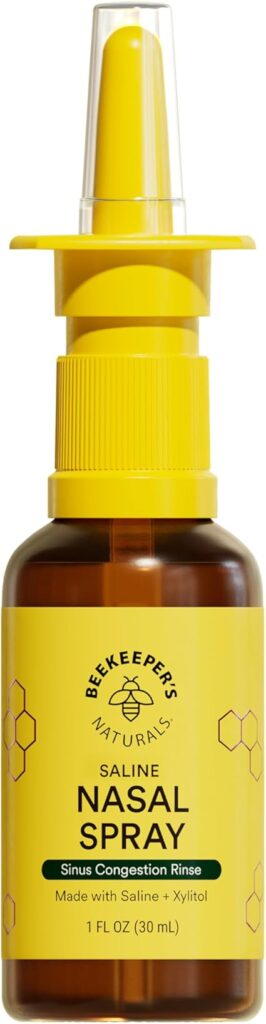
Propolis Nasal Spray
Beekeeper’s Naturals propolis-based nasal mist for natural antimicrobial and allergy support. Pick one spray that is the best for you, I would not use both at the same time.
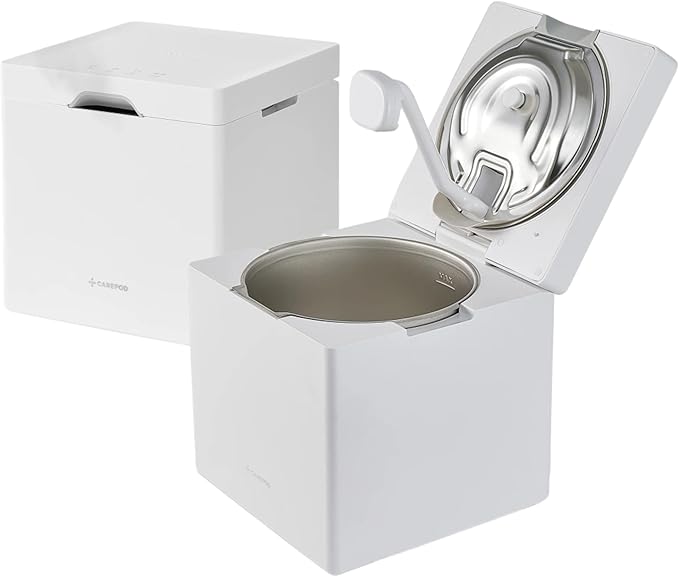
CarePod Stainless Steel Humidifier
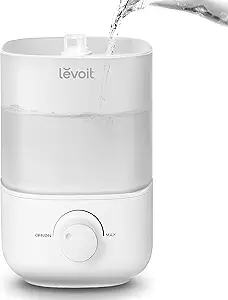
A filter-free, mold-resistant humidifier to improve air moisture and reduce nasal dryness. This is an investment! I included another more reasonably priced humidifier. However, I like the carepod do to the ease of cleaning it. I have one that I splurged for and I do love it.
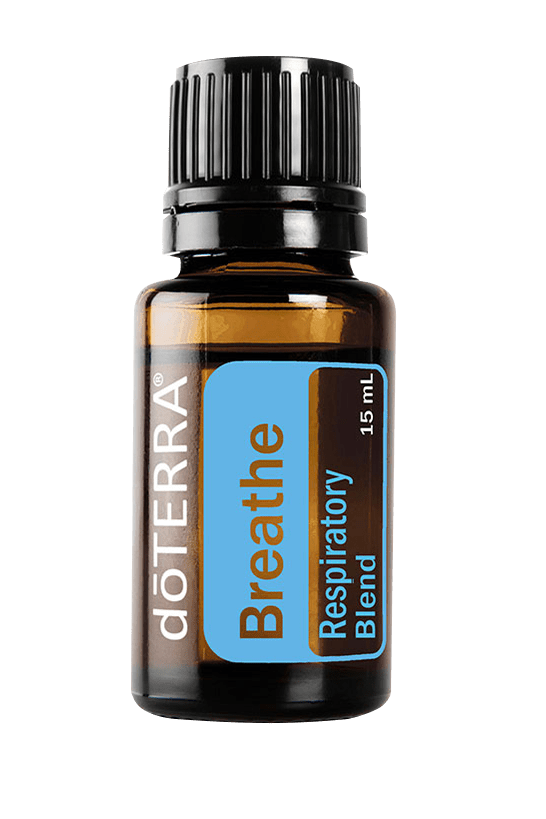
doTERRA Breathe Essential Oil Blend (used in a diffuser)
Promotes open airways and easier breathing naturally; safe for most children and adults when diffused. Great for at night if sleep is an issue
Flonase (Over-the-Counter Nasal Steroid)
While not typically our first recommendation, Flonase can be a helpful short-term trial to determine if symptoms are allergy-related. If symptoms improve with Flonase, an allergic cause is likely and further testing or allergy-focused care is warranted.
In-Depth Insights
If a runny nose lasts more than 10–14 days, recurs frequently, or is accompanied by fever, fatigue, facial pain, nosebleeds, or a chronic cough, it’s time to talk to a doctor. In children, consider evaluation for:
- Persistent allergies
- Chronic sinusitis or adenoid hypertrophy
- Foreign body in the nasal passage (especially under age 4)
- Asthma or reactive airway disease
In adults, rule out:
- Nasal polyps
- Deviated septum
- Chronic sinus infection
- Undiagnosed allergies or food sensitivities
Don't Overlook Mold Exposure
Mold is an often-overlooked cause of chronic nasal symptoms. Sensitivity to mold spores can trigger long-term runny noses, especially in humid or poorly ventilated environments. Even low levels can affect sensitive individuals or children with underdeveloped immune systems. Importantly, mold sensitivity can increase with age due to a decline in detoxification capacity or cumulative exposure. Additionally, genetic variations, particularly in genes related to detox pathways like HLA-DR, can impair your body’s ability to clear mold toxins effectively.
You can't compare your reaction to someone else's.
Just because someone lives comfortably in a moldy environment doesn’t mean it’s safe for you. If your genetic makeup doesn’t allow you to clear mold well, even small exposures can have significant health effects.
Next steps if you suspect mold:
- Check for visible mold or musty odors in bathrooms, basements, or HVAC systems.
- Use a mold test kit or consult a professional inspector.
- Consider running a high-quality HEPA air purifier and a dehumidifier.
- If mold is confirmed, seek remediation and talk to your healthcare provider about detoxification support and allergy treatment.
Questions to Ask Your Provider:
- Could this be allergy-related, histamine-related, or structural?
- Are any tests needed (allergy testing, food sensitivity panel, sinus imaging)?
- Should we test for mold exposure or environmental triggers?
- Would a referral to an ENT or allergist be helpful?
- Are intranasal steroids or antihistamines appropriate?
- Could dietary or environmental changes help reduce symptoms?